Effective facility management is essential for preserving the asset value of a commercial property and ensuring the safety of its occupants. A well-maintained building not only reduces long-term operational costs but also fosters a professional environment that attracts high-quality tenants and clients.
By implementing a proactive maintenance schedule, property managers can identify potential issues before they escalate into costly repairs. This comprehensive guide outlines the vital components required to keep a commercial facility in peak operational condition throughout the year.
Proactive Risk Management Through Water Damage Mitigation
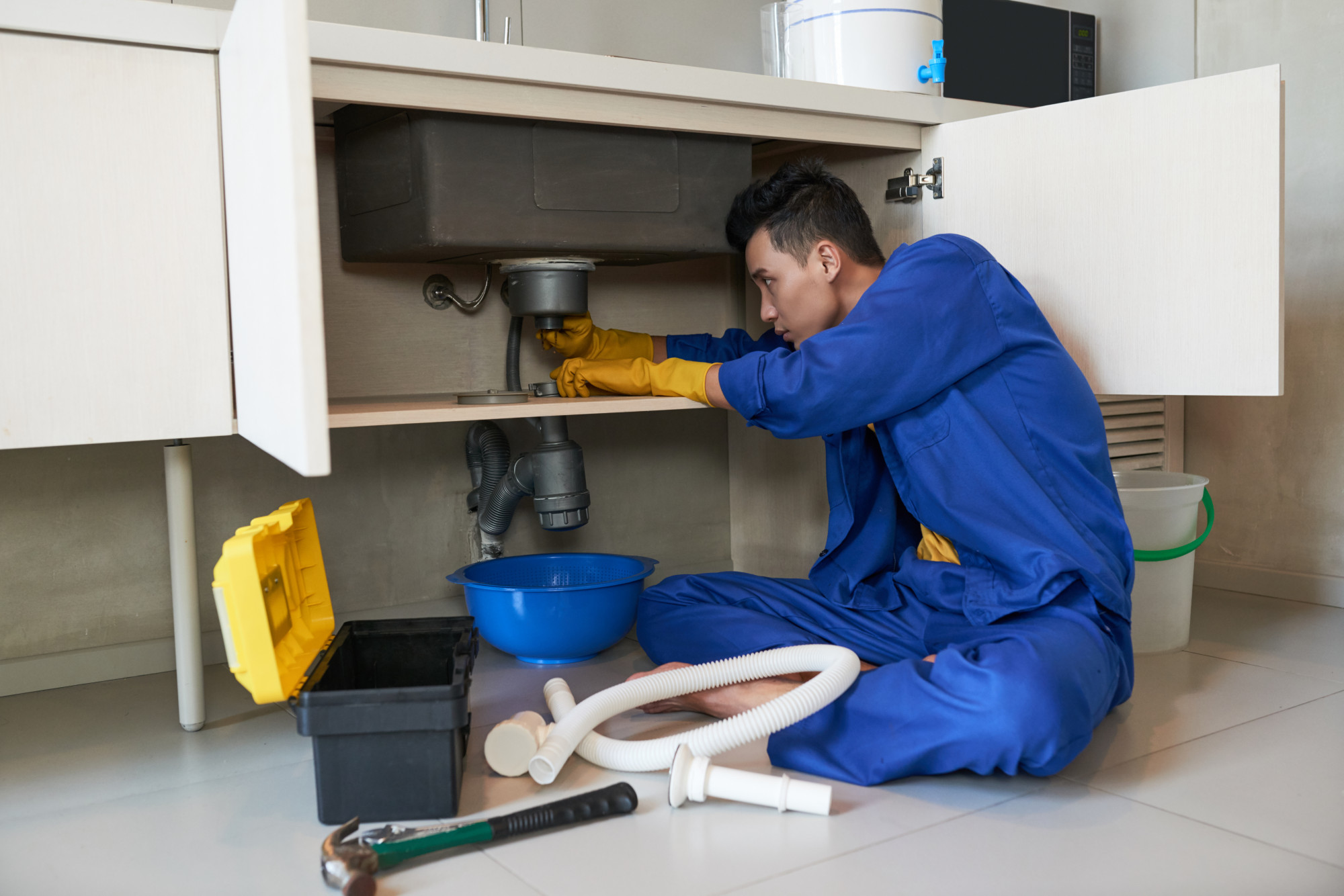
The most effective way to protect a commercial investment is to prevent environmental damage before it starts. Incorporating robust water damage mitigation strategies involves regular inspections of the building envelope, roofing systems, and plumbing infrastructure.
Facilities should ensure that all drainage systems are clear of debris and that sump pumps are tested frequently to handle unexpected surges.
By focusing on moisture control and early leak detection, managers can avoid structural degradation and protect expensive office equipment from the devastating effects of internal flooding.
Reliable Recovery Solutions with Water Damage Restoration
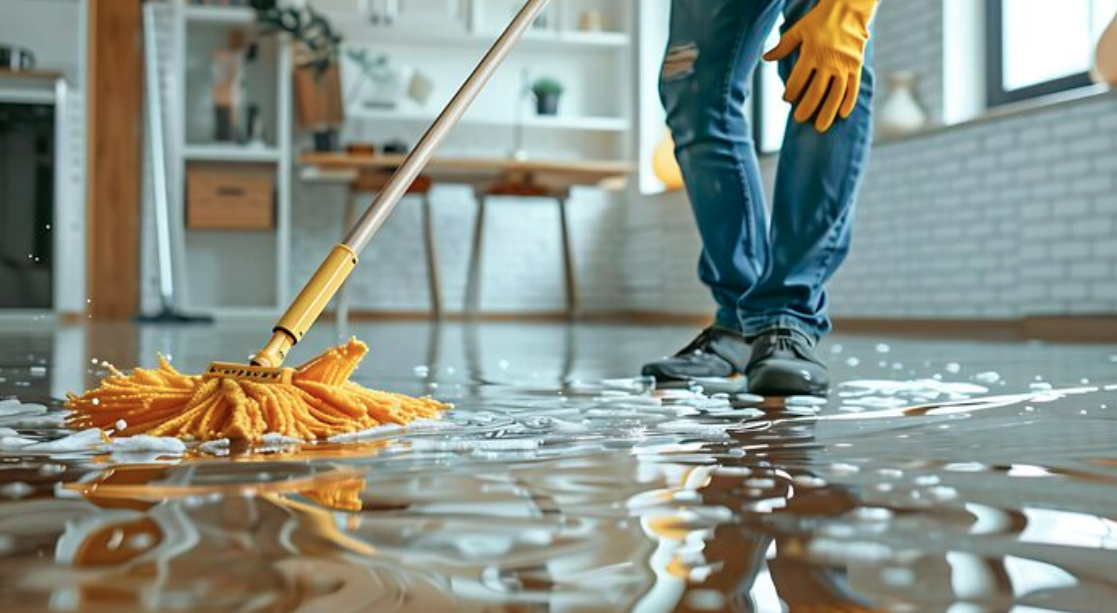
Despite the best preventative efforts, unforeseen events like burst pipes or severe storms can occur. In these instances, having a plan for professional water damage restoration is critical for minimizing downtime.
This specialized process involves rapid water extraction, structural drying, and the thorough sanitization of all affected surfaces to prevent the growth of mold and mildew.
Engaging expert restoration services ensures that the facility is returned to a safe and functional state quickly, allowing business operations to resume with minimal disruption to the workforce.
Systematic HVAC Maintenance and Air Quality Control
The climate control system is the lungs of any commercial building. Regular servicing of heating, ventilation, and air conditioning units is necessary to maintain high indoor air quality and energy efficiency.
Replacing filters, cleaning ducts, and calibrating thermostats ensures that the environment remains comfortable for employees and visitors.
Furthermore, a well-tuned system operates more quietly and consumes less power, directly contributing to the facility’s sustainability goals and reducing monthly overhead expenses for the property owner.
Routine Electrical Inspections and Safety Audits
Electrical failures can lead to significant operational delays and represent a serious fire hazard in a commercial setting. Maintenance teams should perform periodic audits of the electrical panels, wiring, and lighting fixtures to ensure compliance with modern safety codes.
Testing emergency exit signs and backup power generators is also a non-negotiable part of a facility’s safety protocol. Keeping the electrical infrastructure in top condition ensures that the building can safely handle the power demands of modern technology and high-density office equipment.
Exterior Preservation and Curb Appeal Enhancements
The exterior of a commercial facility provides the first impression for every client and visitor. Regular maintenance of the parking lot, including filling cracks and repainting lines, ensures a safe and organized entry.
Professional landscaping and window cleaning services help project an image of success and meticulous care.
Additionally, checking the integrity of the building’s siding and masonry prevents environmental erosion, ensuring that the property remains aesthetically pleasing and structurally sound against the elements.
Interior Finish Care and Janitorial Excellence
A clean and polished interior reflects the standards of the businesses operating within the facility. High-traffic areas require durable flooring that is regularly waxed or steam-cleaned to maintain its appearance.
Routine painting of common areas and the repair of minor wall damage prevent a building from looking dated or neglected.
Coupled with daily janitorial services that focus on high-touch surfaces, these interior maintenance tasks create a hygienic and productive atmosphere that supports the professional goals of every tenant.