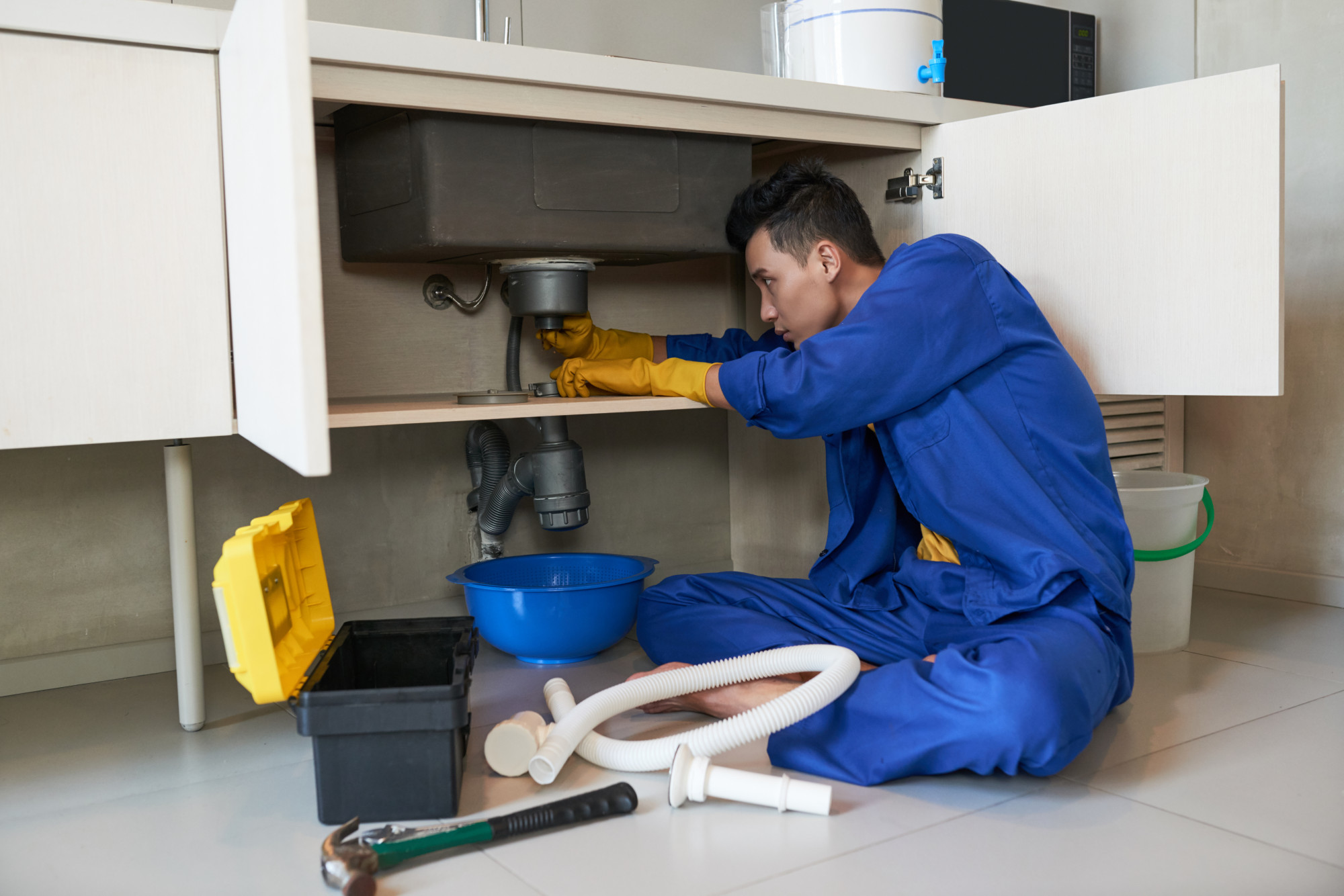

The purchase of a house is usually the largest financial commitment that a person makes during their lifetime. However, the expenditure doesn’t end after you have paid an initial down payment or signed mortgage documents. A house is a complicated device made of wood glass wires, pipes, and wires Like any other machine it needs to be maintained to run smoothly.
Keep Your Plumbing Flowing Smoothly
Water damage is among the most frequent and costly insurance claims that homeowners are faced with. Although you may notice an issue with your pipe in the first moment, slow leaks can lead to the walls rotting and developing mold for months before becoming apparent.
Begin by examining the under-sink areas in kitchens and bathrooms. Then, run the water and inspect for moisture in the P-trap (the U-shaped pipe) as well as the shut-off valves for moisture. Even a small amount of water could indicate an unfastened connection or a faulty seal.
Then, you should check to see if your water is pressured. If it’s too high, it causes unnecessary strain on your appliances and pipes and reduces their lifespan. It is easy to test this by using a gauge of pressure from a hardware shop. If the pressure is above 80 psi, then you might require a regulator for your pressure.
Don’t forget to give your heater some love. There is a buildup of sediment on the base of your tank over time, which causes the heater to more difficult to work and may cause premature failure. The tank is cleaned once per year, which can help remove the build-up and keep the heater operating efficiently.
Don’t Neglect Gutters and Downspouts
Your gutters serve one function: to remove water from your house. If they fail, water runs onto the sides, then pools around your foundation, degrading the fascia boards and even spilling into your basement.
Cleaning gutters is an annual task, best performed in spring and autumn. Get rid of leaves, twigs, and other debris that can impede the water flow. While you’re up there, ensure that the gutters are properly fixed to the home. If they’re not sliding or dragging away and dragging away, they are not able to do their job properly.
Do not forget to check the downspouts. Make sure they’re free of obstructions and, more importantly, they should direct water at least five or 10 feet away from the home’s foundation. If the downspouts of your gutters stop at the bottom of your wall, consider adding extensions to move the water further into the backyard.
Maximize HVAC Efficiency and Life
Your heating, ventilation, and air conditioning (HVAC) unit is like the heart of your house. When it’s clogged or filthy, the system will have to be working overtime to control the temperature, which can result in more energy costs and a less long-lasting system.
The simplest, yet most powerful job you can perform is to replace your air filter. Filters that are dirty block airflow, which causes the system to work harder. Examine them monthly and replace them every 3 months or more frequently in the case of animals or if they are allergic to them.
Take a walk outside to inspect your AC heat pump or compressor. It requires room to breathe. Get rid of foliage, grass, and other plants to ensure there is at least two feet of space across both sides. This will ensure adequate airflow and help prevent overheating.
While it is important to do your own checks, scheduling an annual professional tune-up is also an excellent investment. A professional can inspect the levels of refrigerant and electrical connections that a typical homeowner could miss.
Ensure Electrical Safety
Electrical problems are the primary cause of fires in homes. However, our electrical infrastructure is usually overlooked until a breaker is activated. Regular checks will ensure that your electrical system is secure and can meet the current power demands.
Begin by examining the GFCI (Ground Fault Circuit Interrupter) outlets. These outlets have “Test” or “Reset” buttons. They are typically located in bathrooms, kitchens, and outdoor areas with water. Hit”Test,” or the “Test” button, and the outlet will turn off. Then press “Reset” in order to restore the power. If the button isn’t popping or the power doesn’t come back, it means the outlet is defective and requires replacement.
Explore your home and look for outlets that are loose. If the plug fails to connect quickly, the internal contacts are likely worn out, which could create heat and arcing. Also, be aware of any switches that appear warm or light that flashes, since these are signs of faulty wiring.
Also, make sure the electrical circuit is marked. In the event of an emergency, it is essential to be aware of which breaker is responsible for which part of your house without having to guess.
Inspect the Roof and Entry Points
Your doors and roof serve as your house’s primary protection from the outside elements. A tiny crack in one could cause insulation to fail and let in pests or water.
There is no need for ladders to look over the roof. Get a pair of binoculars to look over the roof shingles from below. Check for curled, cracked, or damaged shingles. Be aware of the flashing, which is the metal strips that surround vents and chimneys, as it is the most frequent spot for leaks. If you spot streaks of algae or moss that need to be removed, as they may keep moisture from the roof’s surface.
Next, examine your doors. Look at the weatherstripping that surrounds the frames. If it’s brittle, broken, cracked, or missing, you’re essentially paying to cool or heat the outside. If you experience noticeable drafts or if the door isn’t able to latch correctly regardless of adjustments, the door may be sagging, or the frame may be damaged. If the door is damaged beyond repair or is extremely inefficient, investing in professional doors for entry within Salt Lake City can enhance security and dramatically reduce the cost of energy.
Protect Your Foundation
The foundation holds the total weight of your house. The issues here tend to be the biggest frightening homeowners due to the fact that they can be costly to repair. But keeping an eye on the foundation could help detect shifting before it becomes a problem.
Go around the perimeter of your home and check for cracks. Cracks that are hairline in concrete are normal; however, large cracks — particularly ones that are horizontal or look like stair-steps made of brick for concern.
Inside the home, search for signs of settlement. Doors that don’t shut at all or windows that are jammed, or cracks that appear in the wall above the door frames, could all signal foundation movement.
The best way to guard the foundation of your home is to limit the moisture. We have mentioned gutters before; however, you should also examine the grading of the soil. The soil should be sloping away from your home and drop at a minimum of 6 inches in the first 10 feet. This lets rain and snow melt flow away from your foundation walls, rather than sinking into the soil immediately close to them.
Conclusion
Home maintenance isn’t about becoming an expert; it’s about being consistent and observant. Breaking down tasks into seasonal checklists, it will prevent the task from becoming too much. A simple checklist can help keep you on the right track. The time and cost for prevention are comparatively small compared to the cost of major fixes. Take care of your home, and it will be an asset that is safe and secure for many years to come.